Practical Aesthetics: Where Function Meets Beauty
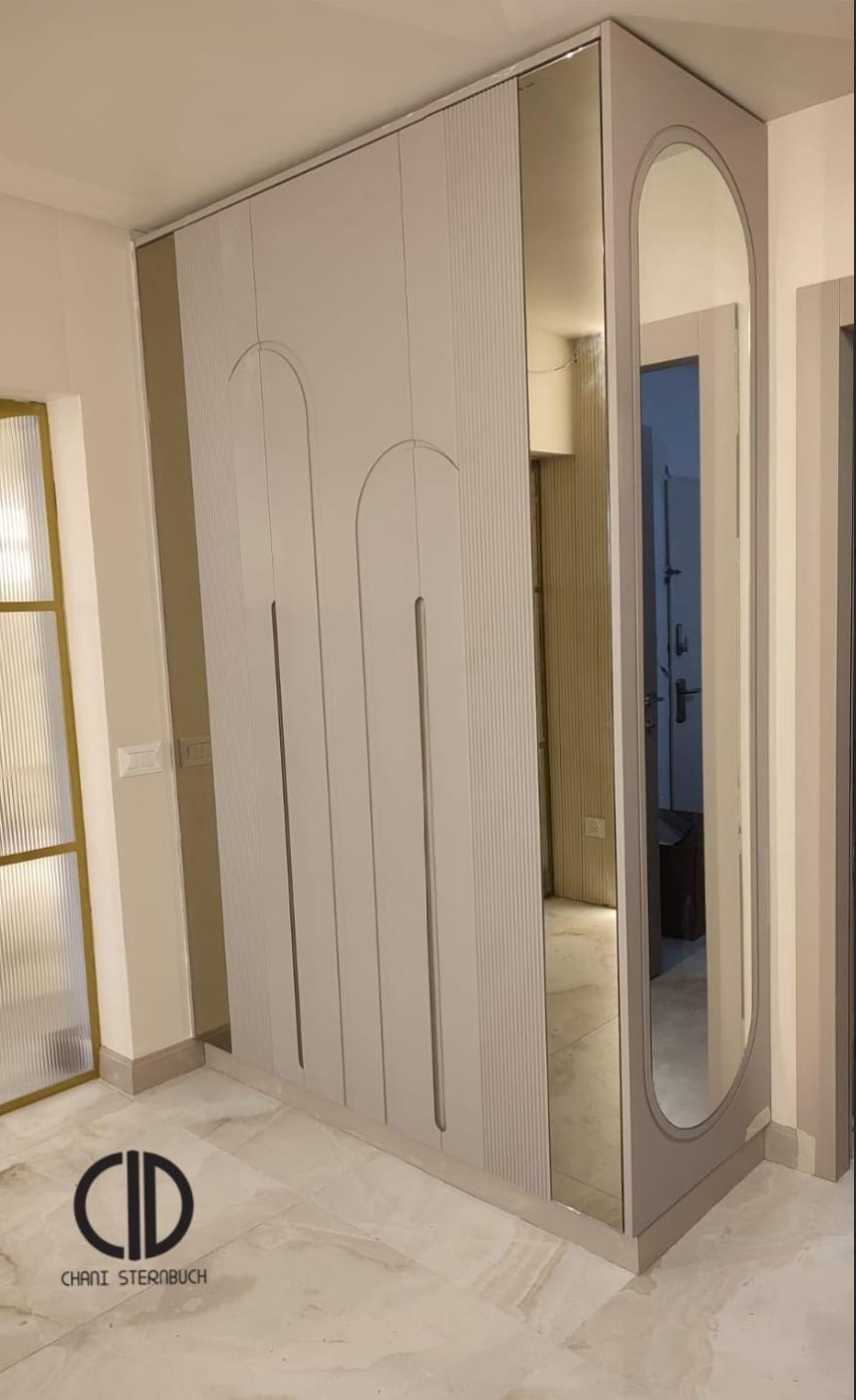
"Practical aesthetics" — that oxymoron is falsely true.
If a home is practical, how visually delightful can it really be? And how can something sensible and efficient be alluringly beautiful? This is probably the biggest toss-up in every design choice made throughout a project, whether it's tiles, kitchen materials or carpentry.
So let's zone in on cabinet making.
The two materials
The two most common materials are Formica (also known as HPL) and painted wood — צבע בתנור, interchangeably known as Shleiflack.
Formica / HPL is about the most durable laminate available. It's made of several sheets of paper bonded together under high pressure. It's used in high-traffic areas, and is heavy duty, making it a great option for kitchens, children's bedroom furniture, or just about any area of a busy, bustling household.
Sounds ideal — but there are limitations in design that come with it. First, height: boards come at 240cm, whereas standard ceiling heights are 270cm. Second, its strength becomes a disadvantage, because incorporating design detail into Formica is challenging.
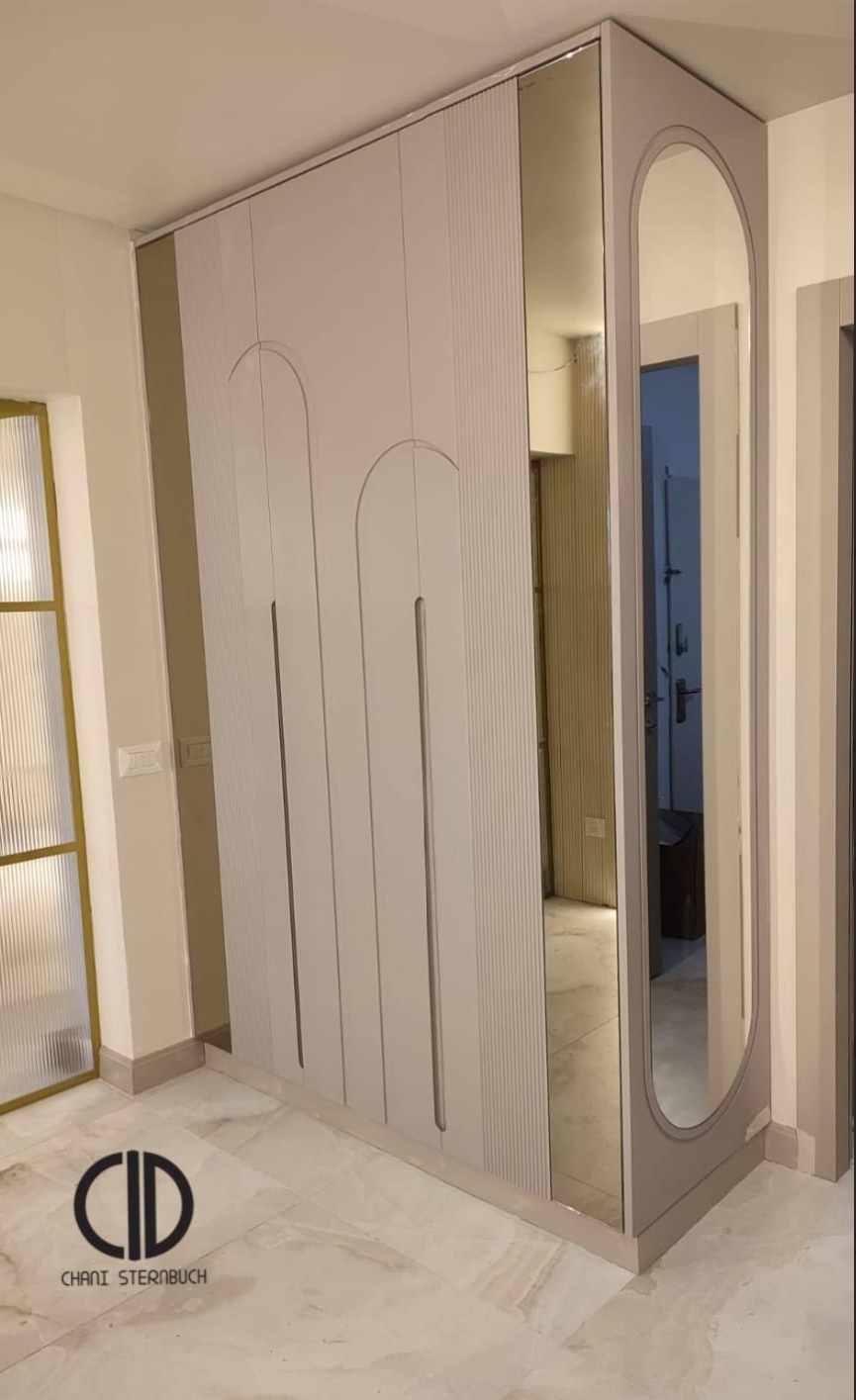
Shleiflack gives us unlimited options in terms of design, because it's based on MDF — a workable material that comes in three-metre boards. Mirrors, indentations and grooves in any shape are all possible, creating unusually appealing results.
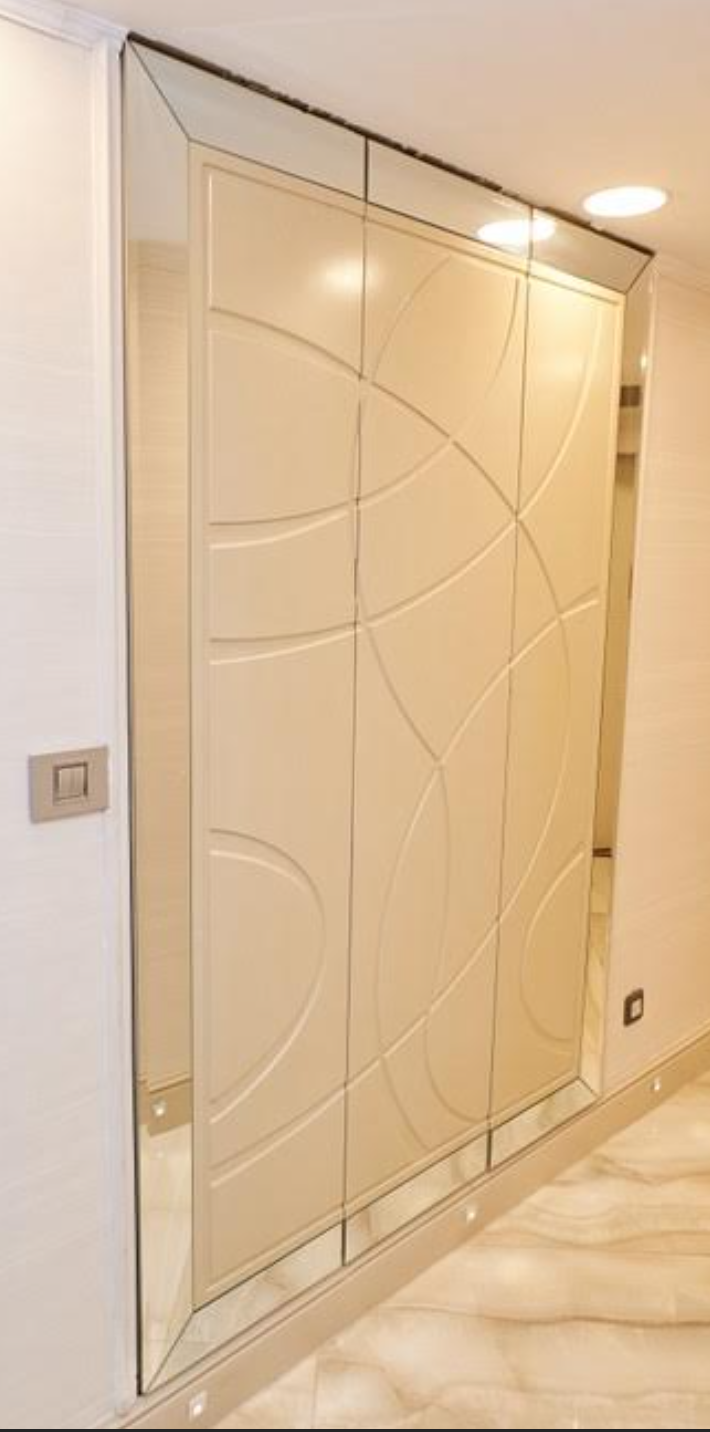
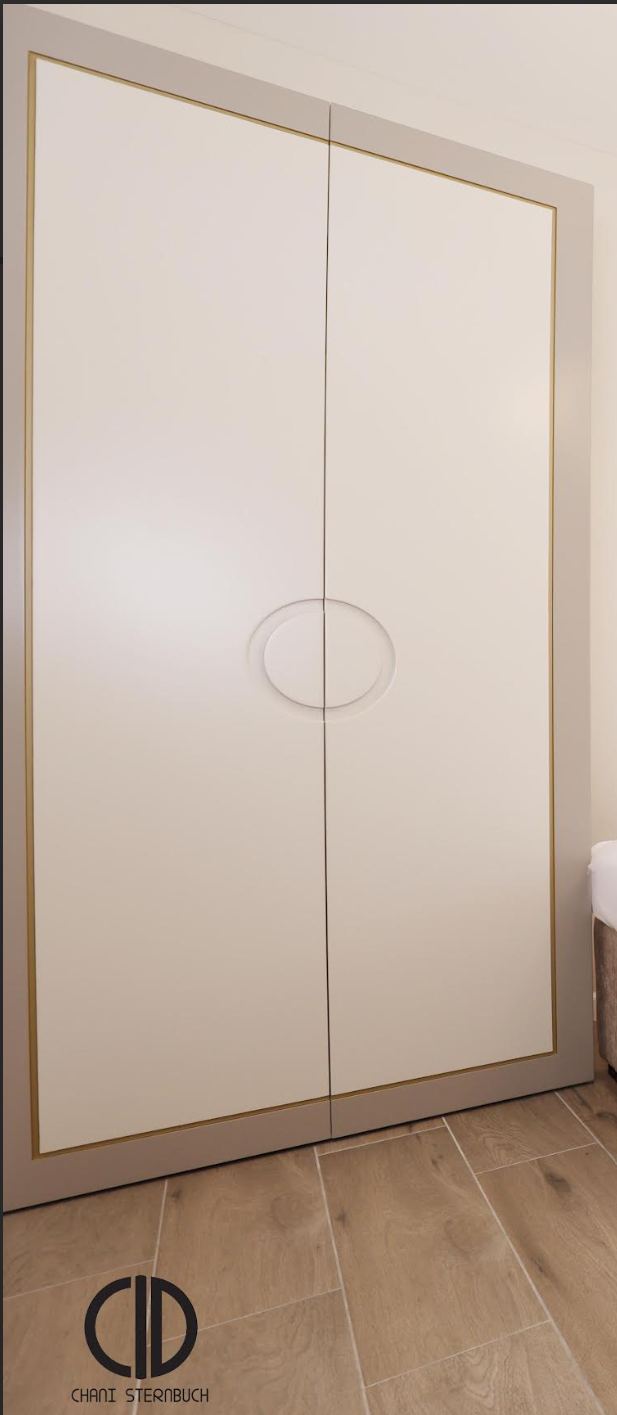
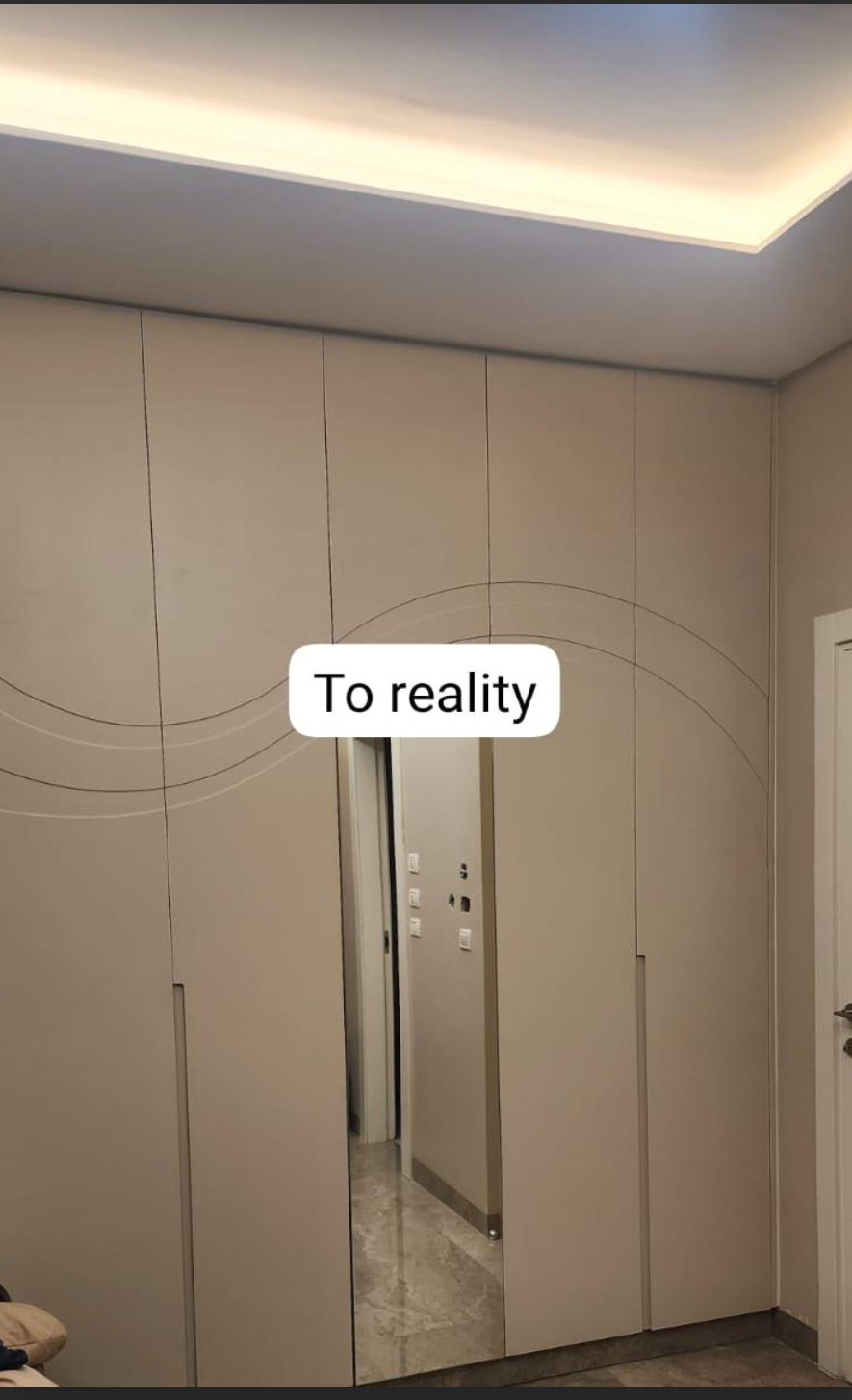
Here's an example: in one door I incorporated three colours with painted-in grooves, a darker taupe frame contrasted by a gold inlay, and a circular integrated handle. Then there's a double-wave closet in a master bedroom, designed to coordinate with a wave headboard. And a unique hall closet.
The case for beauty
The allure of visually delightful spaces can't be ignored. Aesthetic appeal doesn't just span the superficial; it shapes our mental wellbeing and influences our productivity. As a designer I opt for elements that evoke tranquility — soft shades, harmonious and cohesive styles throughout a space. Such choices not only please the eye but create a calming atmosphere.
At the same time, your home should be a place where you feel comfortable and at ease. That means thinking about more than how things look. Consider the use of the space and the practicality.
The case against
Here are the disadvantages of those beautifully designed Shleiflack closets:
- They don't do well with water. In a family that does floor washing with a five-inch pool of water (a.k.a. sponja), I'd incorporate either a panel or base boards to protect the closet.
- They're more delicate. Good carpenters produce good quality work, but with abuse or mishandling they can get scratched.
- They're more costly. Depending on the design, 30–60% more than the Formica equivalent.
So which one?
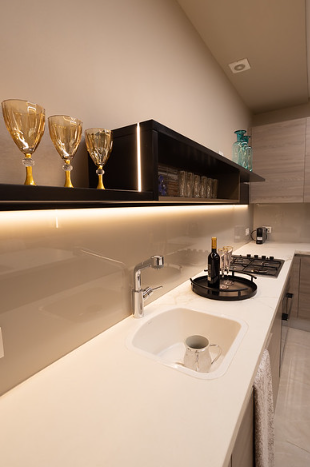
For master bedrooms, hallway closets and higher-end projects, Shleiflack is often the preferred option. For kitchens, young children's bedrooms and high-traffic areas, Formica is the more sensible choice.
And this is where my resourcefulness kicked in. I invented the idea of combining appeal with functionality: a marriage between Formica closet doors — strong and withstanding, but unyielding — together with Shleiflack handles, which can be designed in any shape or form. A perfect balance between aesthetics and functionality.

Functionality matters
While aesthetics are certainly important, designing a home that will withstand the test of time within a busy household is the real yardstick.
A home is much more than a set of surfaces. We create homes that are not only beautiful but nurturing and supportive. So as you contemplate your own design journey, remember to look beyond the surface. Think about how choices will affect the way you feel and live in your space. A well-designed home is one that looks good, feels good, and brings out the best in you and the people you love.
And that, in the end, is what truly makes a house a home.